The Hidden Values that Make Conservation Projects Worth More
When you invest in your property, you usually expect one specific result. If you fix a roof, you get a dry house. But what if a property upgrade could do three or four things at once?
Soil and water conservation districts like ACD have the pleasure of working with private landowners on voluntary projects that benefit natural resources – often for one primary purpose while unlocking multiple secondary benefits.
A few examples illustrate how one project can do more:
- Water quality + wildlife. One project we did in 2026 was a wetland restoration along a county ditch, designed to capture nutrients before they reached downstream lakes. Sounds like an industrial function. We included shallow water areas and wet prairie seed. Swans, eagles, otters, songbirds, and more have taken up residence.
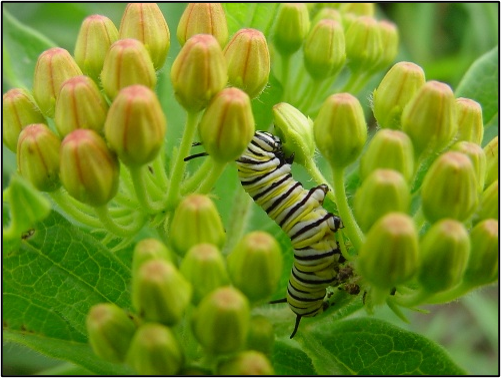
- Stormwater treatment + pollinators. Rain gardens capture water from street curbside gutters and filter it into the ground. They are especially used where that water would otherwise reach a lake or river untreated. We plant a variety of flowering native plants. The rain gardens hum with bees and are adorned with butterflies.
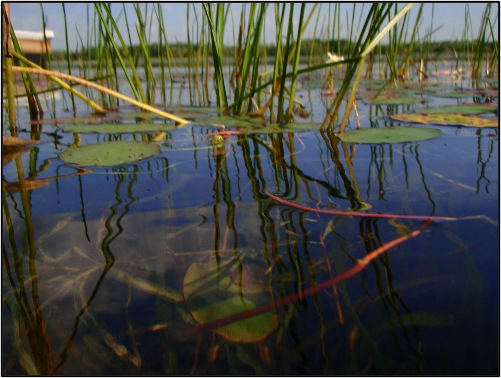
- Lakeshore + fisheries. Lakeshore restorations stabilize eroding shorelines and restore natural plant cover and habitat. While rock is a common approach to shoreline protection, we use it only where needed most and emphasize habitat-providing plants. Aquatic plants, such as bulrush (pencil reed), are part of the mix. Game fish frequent these shores for cover and insect food.
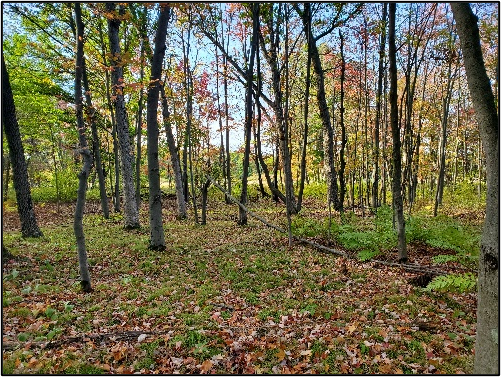
- Tree planting + clean water. We annually sell thousands of trees to private landowners. By mixing complementary species, landowners create diverse forests that naturally filter rainwater and protect local waterways.
How do we make conservation projects worth more? By designing them to do more. Yes, our funding sources often focus on just one thing. But we don't have to do just that. ACD strives to produce projects that benefit wildlife, fisheries, water quality, pollinators, and look beautiful too.
At any given time, we focus on specific areas or project types. These priorities have supporting funding to install projects, reducing financial barriers for landowners. Current focuses include wetland restoration in the Rum River watershed and agricultural practices like cover crops.
Ready to maximize your property's potential? Call the Anoka Conservation District at 763-434-2030 to get started on your project design.