Heat Results in Local Fish Kills, and What You Can Do
Prolonged hot weather with little nighttime cooling raised water temperatures to levels that caused fish kills this past July, affecting fish in Anoka County and throughout the state. We've heard reports of fish kills from several local lakes, including Peltier and Martin.
While many of our "warm water" fish species can tolerate some warmth, water temperatures soared into the mid-80s, which was just too much for some. Cooler water species like northern pike, walleye, and muskie are especially vulnerable.
Low oxygen levels can compound the problem. Warm water can hold less dissolved oxygen. On top of that, accelerated decomposition in warm water can consume more oxygen. This adds another stressor to fish. The MNDNR notes that "larger fish of all types…have a smaller gill surface area to body mass ratio than smaller fish."
Our staff most often heard of large northern pike dying. It's a shame to see these impressive, trophy-sized fish dead. Fortunately, most reports involved only a limited number of fish dying.
Anglers should be aware that fish are stressed and should consider not targeting larger or sensitive fish at this time. Be especially careful to keep fights to a minimum, keep fish in the water, and release them quickly. Some information for this article is adapted from a MNDNR press release – see the full article here.
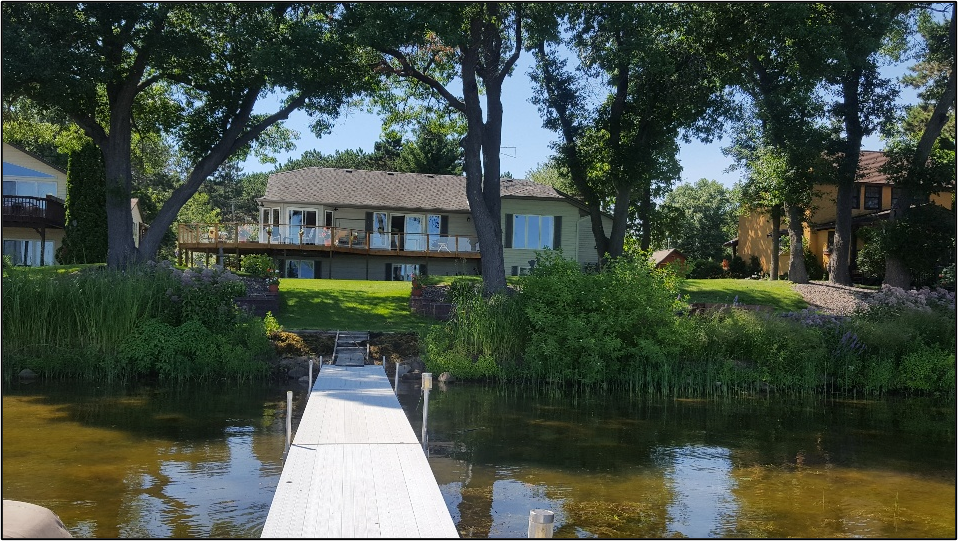
Shoreline owners and anglers can do a few things to help. Shoreline owners can leave shoreline trees and in-water vegetation in place. Both are critical habitat, but in hot weather they also provide shade and cooler refuges. If you want to increase shoreline habitat to benefit fish and water quality, ACD offers grants. Most commonly, these are for native plant shoreline buffers. Contact Jamie Schurbon, Watershed Projects Manager, at