LCCMR Environmental Education Grant Application

In collaboration with the Metro Conservation Districts, ACD applied for a 2021 LCCMR Environmental Education grant in the amount of $546,000. If funded, the proposed project would influence perceptions, practices, and policies surrounding ecoscaping in the 11-county metro area by launching a multi-pronged outreach campaign, elevating the educational value of high-profile demonstration projects, and engaging local leaders to adopt eco-friendly policies. The proposed project involves a rigorous barriers and benefits analysis using the proven Community Based Social Marketing framework to identify common barriers faced by residents that limit the widespread acceptance and adoption of eco-friendly lawn care practices. The project will promote the benefits of ecoscaping and create a widespread conservation ethic, particularly in suburban Minnesota. This work is important because turf lawns are unsustainable for the long-term health of our waters and wildlife. While eco-friendly lawn care practices are growing more popular, social norms and misinformation hinder widespread adoption of these practices. Only by addressing the public's perception of ecoscaping, the policies related to preserving and restoring native landscapes, and the practices at all levels of the community will we be able to eliminate barriers and motivate large-scale behavior change.

  2610 Hits

Clean Water Begins at your Curb

ACD, as a member of the Metro Watershed Partners Steering Committee, collaborated with Twin Cities Public Television to produce a 90 second interstitial to promote the Adopt-a-Drain program about how our storm drains and waterways are connected. This animated video, "Clean Water Begins at your Curb," first aired on TPT LIFE on April 24th and will continue to air throughout the summer.

Watch the video online here: https://www.tpt.org/clean-water-begins-curb/


  2918 Hits

Our Groundwater Connection: Contamination Video

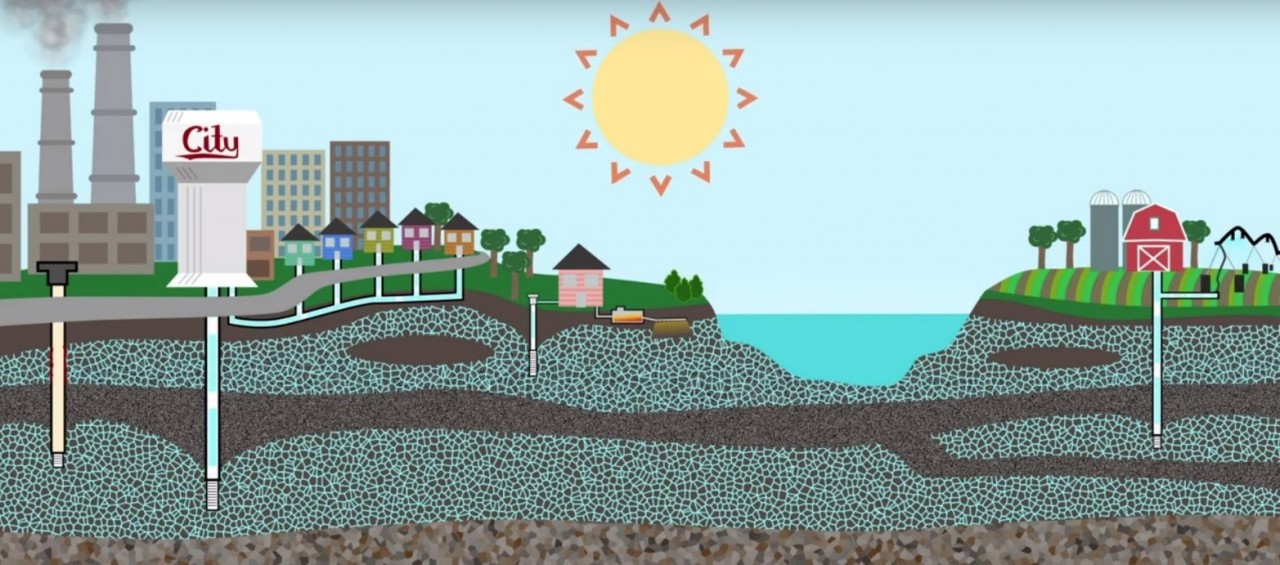
The second in a series of videos about groundwater was published on March 3rd, 2020. "Our Groundwater Connection: Contamination" is a follow-up to the original "Our Groundwater Connection" video published on June 11th, 2019. The video builds on the information viewers learned from the first video, focusing on how groundwater becomes contaminated and what we can do to prevent contamination. The video explains different sources of pollution, how pollutants travel and build up over time, and what happens when wells become contaminated. The video concludes with the message that "everyone has the responsibility to stop contamination from getting into our groundwater. When we work together to prevent pollution, we can ensure clean drinking water now, and for many generations to come."

The project was made possible because members of the Water Resource Outreach Collaborative pooled their resources to create a high quality product with minimal financial stress on any one organization. Partners from Washington County Public Health and Environment and the Minnesota Department of Health also provided input and support for the project.

On March 3rd, the video was debuted at the MN Rural Water Association Annual Technical Conference during a mini-session presentation by ACD's Outreach and Engagement Coordinator.

Watch on the video on YouTube by searching "Our Groundwater Connection: Contamination," or by clicking here: https://youtu.be/gRSHJpe8pq8

  3702 Hits

Lawns to Legumes in Anoka County

The Anoka Conservation District, in partnership with the cities of Fridley, Coon Rapids, Anoka, and Andover, were awarded $40,000 from the Board of Water and Soil Resources to establish a Lawns to Legumes Demonstration Neighborhood in the Mississippi and Rum River Corridor. The project will convert residential lawns into pollinator habitat in support of the Rusty Patched Bumble Bee and other at-risk pollinators. Residents interested in being part of a Demonstration Neighborhood in Anoka County should complete this form: bit.ly/lawns-legumes-anoka

In addition, there are several other ways to get involved:

  • 1.Visit the Board of Water and Soil Resources website to learn more and download free resources: bwsr.state.mn.us/L2L
  • 2.Sign up for a Lawns to Legumes Workshop near you: bluethumb.org/events (Landowner workshop will be scheduled in Anoka County in summer of 2020)
  • 3.All residents may be eligible for individual mini-grant funding up to $350. Apply here: bluethumb.org/lawns-to-legumes

If you have any questions about how the Lawns to Legumes Program will work in Anoka County or how you can be involved, please reach out! This email address is being protected from spambots. You need JavaScript enabled to view it.

  3720 Hits

Tips for Staying Safe in Winter

 De-icing salt is so common here in snowy Minnesota, we hardly even think before tossing it down. But we really should be thinking hard because all that salt accumulates in local streams, lakes, and wetlands causing stress and sometimes death to native animals and vegetation. Salt dissolves easily in water which means it's almost impossible to remove without expensive and time-consuming treatment. Road and sidewalk safety is a priority for all of us, so what is an environmentally conscious Minnesotan to do if they want to stay safe and minimize their salt use? Here are some tips!

Shovel First. Shovel and scrape sidewalks before they are walked on so ice doesn't have a chance to form in the first place.

Choose the Right Salt. Different chemicals work at different pavement temperatures. Be sure to choose the right one for the conditions. Sodium chloride, the most common de-icer, will only work when the pavement temperature is above 15 degrees F.

Scatter Salt Grains. Granular salt melts ice fastest when the grains are spread 3 inches apart. Contrary to popular belief, adding more salt will actually make the ice melt slower!

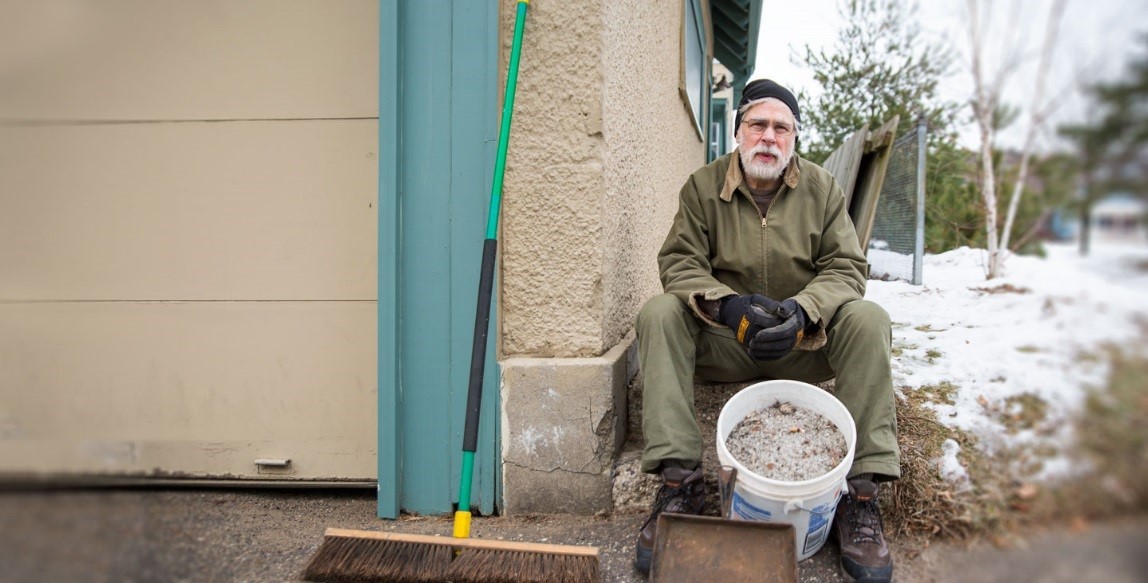
Sweep up Excess. If there is salt left on the ground after all the ice is gone, sweep it into a bucket to use in the next storm. You paid for it so don't let it wash away!

Pre-treat Pavement. Applying a liquid de-icer to pavement 24-48 hours before a storm will help prevent ice from adhering to the surface and make it a lot easier to scrape up.

Wear Proper Footwear. Boots with extra traction such as cleats or spikes reduce the risk that you may slip and fall. They are a worthwhile investment here in Minnesota where we're bound to encounter ice at some point.

Avoid Distractions. We all know not to drive while we're distracted. The same goes for walking! Avoid using cell phones while walking and keep your eyes on the path in front of you.

Drive for the Conditions. Here in Minnesota, there is no escaping the snow and ice. Remember that you are ultimately responsible for your own safety, so always drive with caution.

Do the Penguin Shuffle. Always anticipate icy conditions and keep yourself safe by walking on marked paths near handrails.

If you See Something, Say Something! As an environmentally conscious Minnesotan, one of the best things you can do to combat chloride pollution in our waters is to talk to your friends, neighbors, and local businesses. Pressure from residents like you can help turn the tide and protect our valuable freshwater resources now and for many generations to come.

  3637 Hits