323 Hits
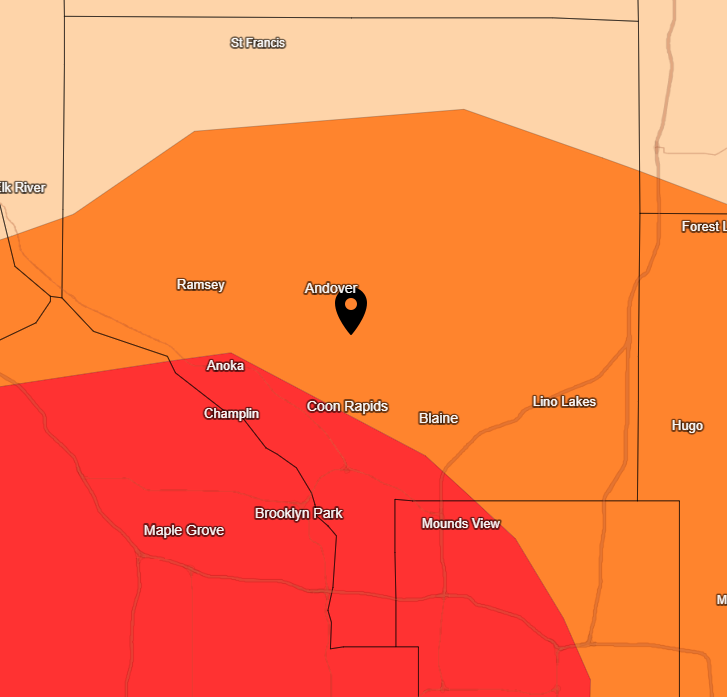
As of August 4, 2026, the U.S. Drought Monitor classified all of Anoka County as being in moderate drought. However, the causes and effects of low water levels are often complex. Water levels reflect the combined effects of precipitation, snowmelt, temperature, groundwater conditions, and water use—and different water bodies can respond at different rates.
Where Did the Water Go?
During dry periods, less rain and snowmelt are available to replenish lakes, streams, wetlands, and groundwater. Heat waves (like we have experienced this summer) can intensify these conditions by increasing evaporation from open water and moisture loss from plants and soil. Hot weather also increases demand for lawn irrigation, placing additional pressure on groundwater supplies. When extreme heat, limited rainfall, and increased water use occur together, water levels can decline more quickly.
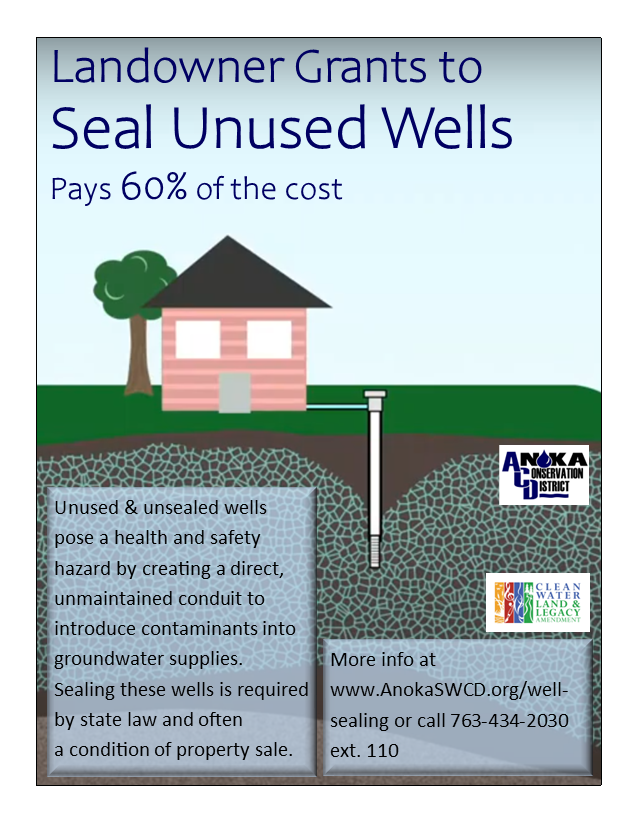
Groundwater is especially important in Anoka County, as ~94% of residents receive their drinking water from groundwater. Many local lakes and wetlands are closely connected to the water table, while groundwater also helps maintain streamflow between rain events. When groundwater declines, nearby surface waters may remain low even after rainfall. A single storm can temporarily improve conditions, but sustained precipitation is often needed for recovery.
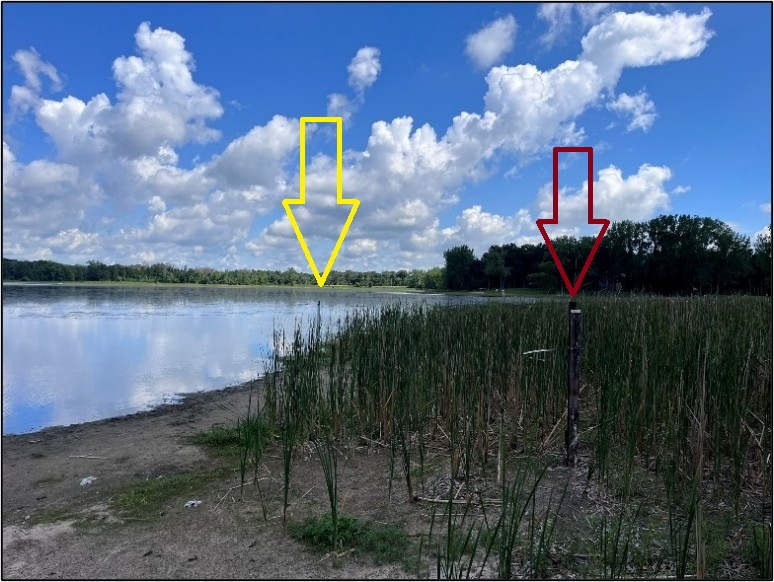
Why Low Water Levels Matter
Shallow water warms more quickly, which can stress out fish and other aquatic life. Reduced streamflow may limit habitat and decrease the amount of cool, oxygen-rich water available to aquatic organisms. Pollutants and nutrients can also become more concentrated when less water is available to dilute them. Shorelines, rocks, stumps, and other hazards may become exposed, affecting boating and water access.
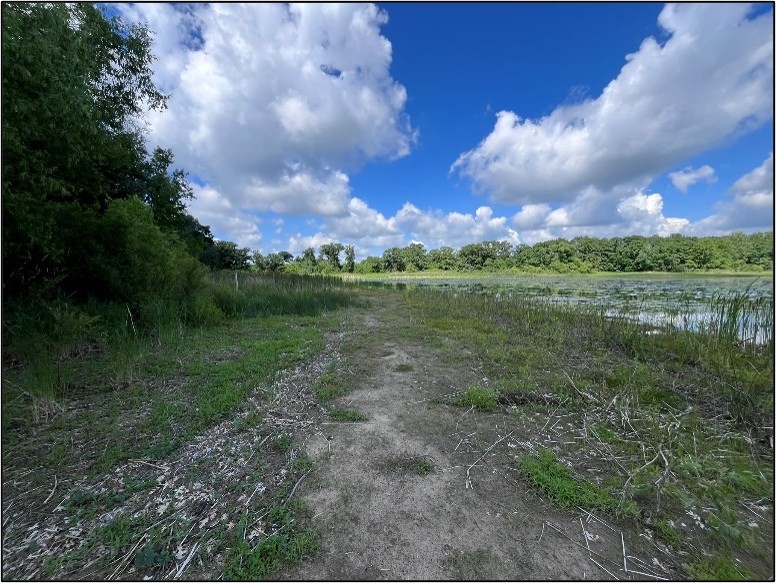
Wetlands naturally expand and contract, and some periodically dry out. These dry phases can benefit certain plants and wildlife. Long-lasting drought, however, can reduce habitat and lower shallow groundwater levels across the surrounding landscape.
What Residents Can Do
Everyone can help reduce pressure on local water resources during these dry/hot conditions:
• Follow watering restrictions or schedules established by your city.
• Water lawns and gardens during the early morning, when less water is lost to evaporation.
• Water deeply but less frequently and allow established lawns to go dormant when practical.
• Repair leaking faucets, toilets, hoses, and irrigation systems.
• Use native plants adapted to Minnesota's climate that generally need less water once established.
• Maintain natural vegetation along shorelines to protect soil, provide habitat, and reduce polluted runoff.
• Avoid fertilizing immediately before rain and keep yard debris and other waste out of streets and water bodies.
• Do not dredge, fill, remove aquatic plants, or reshape shoreline or lakebed without first checking permit requirements.
Water Levels Can Recover—but It Takes Time
Water resources do not always respond immediately when rain returns. Soil moisture may need to recover before water can infiltrate deeply enough to recharge groundwater. Lakes, wetlands, and streams that depend on groundwater may therefore recover more slowly than rainfall totals alone suggest.
ACD and its partners track precipitation, lake and stream conditions, wetland hydrology, and groundwater levels throughout the county. Residents can find statewide drought updates through the MN DNR or contact Kris Larson, Water Resource Specialist, at

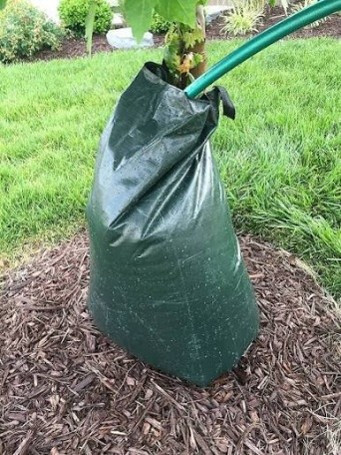
Summer is here! Be sure to water your trees when the temps get hot and there hasn't been rain in a while. Sufficient watering is the best way to protect trees from stress that can lead to more serious insect or fungal diseases.
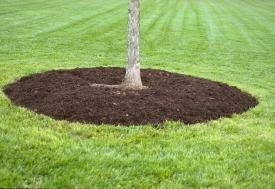
Long deep soakings in the mornings or evenings reduce water loss to evaporation. Placing mulch around the base of the tree in a "doughnut" shape can also help retain soil moisture. Smaller trees planted in the past year need 5-10 gallons of water every 2-3 days during extreme heat. Larger mature trees need a deep soak of the top 6-8 inches of soil once a week.
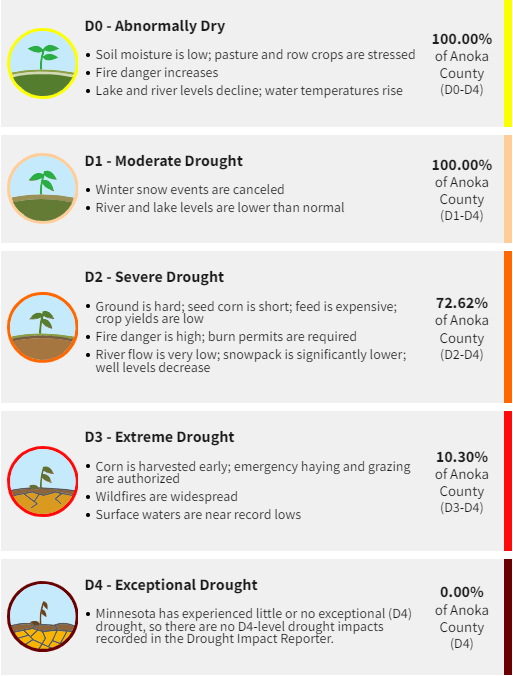
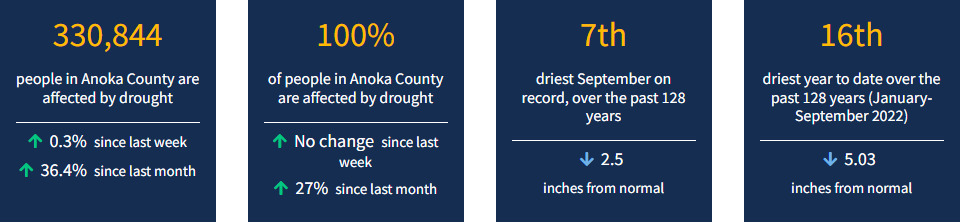
The majority of the state is currently experiencing drought conditions, including Anoka County. The U.S. Drought Monitor (USDM) is a map that is updated each Thursday to show the location and intensity of drought across the country. Drought categories show experts' assessments of conditions related to dryness and drought, including observations of how much water is available in streams, lakes, and soils compared to usual for the same time of year.
Each week, drought experts consider how recent precipitation totals across the country compare to their long-term averages. They check variables including temperatures, soil moisture, water levels in streams and lakes, snow cover, and meltwater runoff. Experts also check whether areas are showing drought impacts such as water shortages and business interruptions. To learn more about current drought conditions in Anoka County and other areas of the country visit https://www.drought.gov/states/minnesota/county/anoka.