1003 Hits
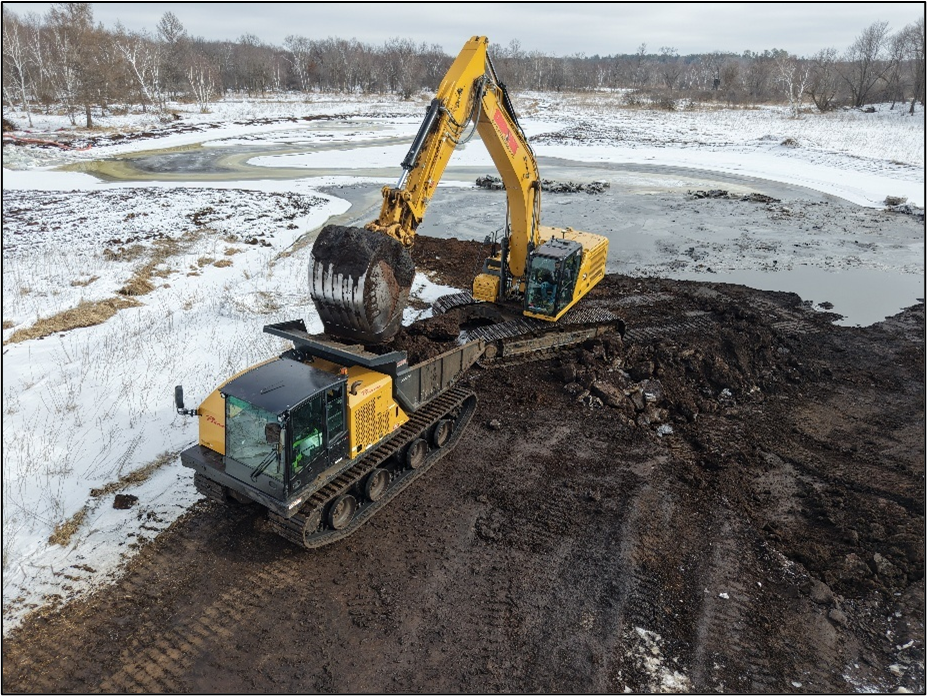
Grant funds are available for landowners interested in doing a wetland restoration project that benefits water quality. Common project types are ditch plugs to restore drained wetland areas or excavations that treat ditch water. The highest-ranking projects will be those that treat water that drains into local lakes and rivers. For more information, contact Jamie Schurbon, Watershed Projects Manager, at
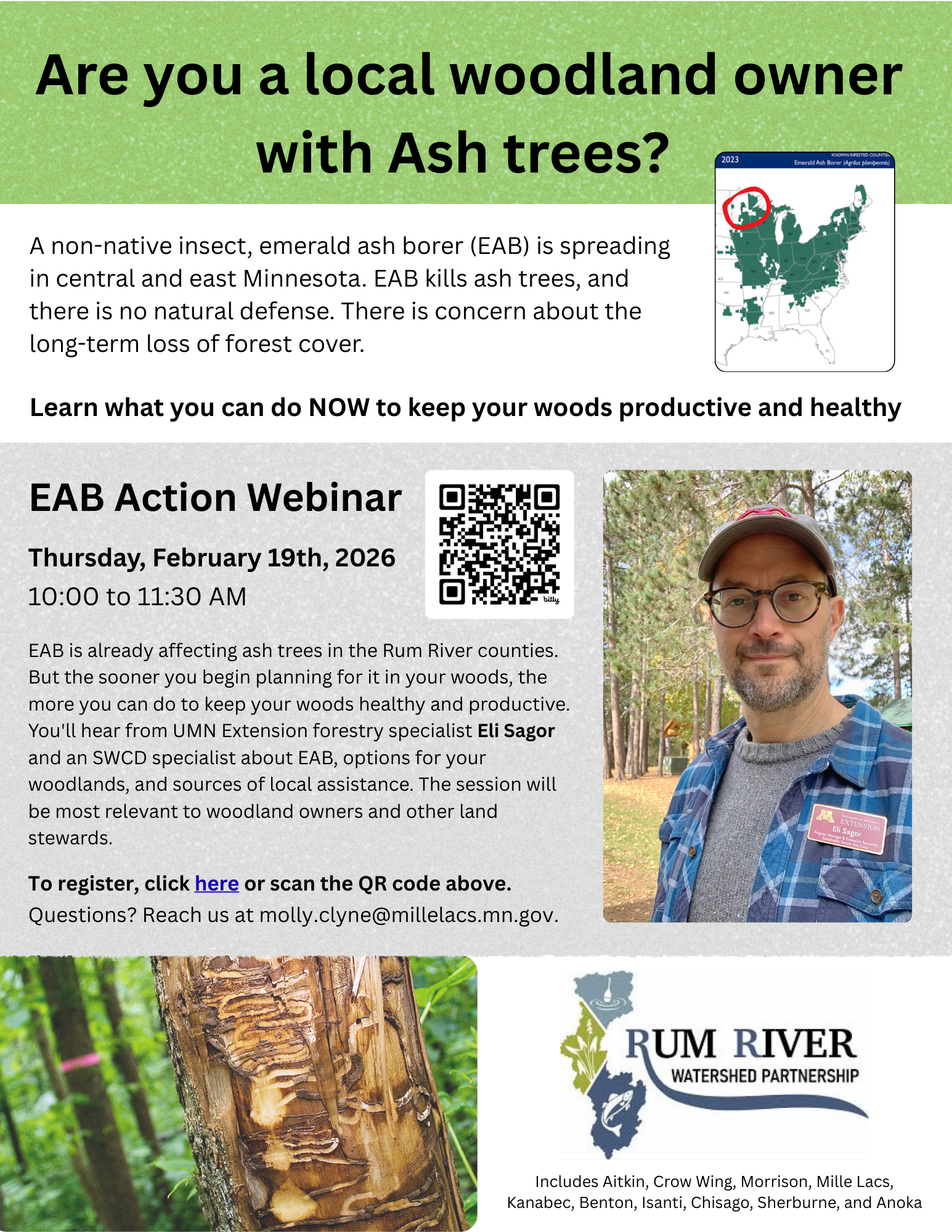
The Emerald Ash Borer (EAB), a non-native insect, is spreading in central and east Minnesota and is already affecting ash trees in the Rum River counties. EAB kills ash trees, and there is no natural defense against it. As ash trees decline, there is growing concern about the long-term loss of forest cover and changes to woodland productivity.
The sooner you begin planning for EAB in your woods, the more options you have.
We invite you to attend the EAB Action Webinar on Thursday, February 19, 2026, from 10:00–11:30 AM. During this session, you will hear from University of Minnesota Extension forestry specialist Eli Sagor and a local SWCD specialist about:
This webinar will be most relevant for woodland owners and other land stewards who want to keep their woods healthy and productive.
The session is intended for landowners in Aitkin, Crow Wing, Morrison, Mille Lacs, Kanabec, Benton, Isanti, Chisago, Sherburne, and Anoka counties.
👉 To register, click the link or scan the QR code on the flyer below. Questions or registration support:
We hope you'll join us to learn what steps you can take now to plan ahead for Emerald Ash Borer.
Sincerely,
Rum River Watershed Partnership (RRWP)
in partnership with local Soil & Water Conservation Districts
ACD, in collaboration with the City of Princeton, completed a 300-foot riverbank stabilization in the city's popular Riebe Park. The project offers benefits to water quality, habitat, and new recreational opportunities. This segment of the Rum River had a severely eroding shoreline because of the erosive forces generated by the convergence of the main stem and the West Branches.
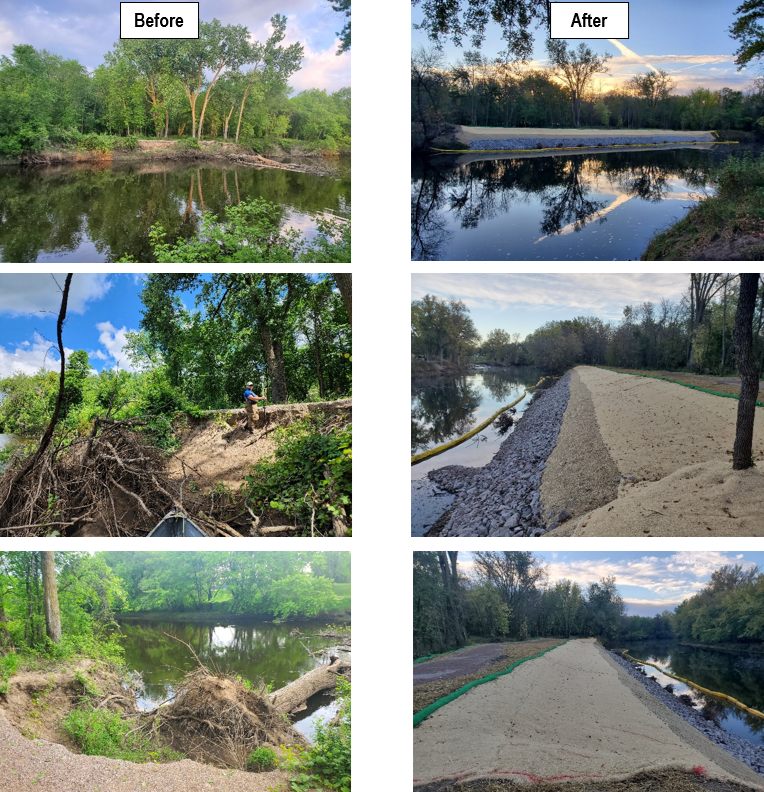
The project involved grading the slope, installing root wads, constructing small rock weirs, and planting native vegetation. The floodplain bench on the new shoreline offers a "pressure relief valve" for floodwaters while also making the riverbank more walkable. The new habitat features are designed to protect the bank while also creating areas in the river that attract game fish. Funding for this project is provided by the City of Princeton and the Outdoor Heritage Fund under the Clean Water, Land, and Legacy Amendment.
Before the project, the riverbank was severely eroding and offered no meaningful habitat or public access. Post-project features a stable riverbank, in-stream habitat, and walkable terrain. Note: Tree planting to reforest the riverbank had not yet occurred at the time of these photos. For more information, contact Jamie Schurbon, Watershed Project Manager, at
Anyone who has hired a contractor for a project knows you have a lot on the line. You need them to show up, bring the right tools, be knowledgeable, and navigate the inevitable unforeseen consequences. Tackling many construction projects every year, ACD uses a process that complies with the law, seeks out the best prices, and helps us find well-qualified contractors.
ACD often participates in an online competitive bidding process when planning larger construction projects. It's required by law for projects over $175,000. Somewhat recently, competitive bidding meant relying only on newspaper ads and receiving paper bids in sealed envelopes. Today, there are online tools that manage the process. Contractors can automatically receive notifications of nearby projects, download plan sets, and bid online. ACD can communicate with all interested contractors, including answering questions for the whole group. We can ensure everyone has the same information, keeping the playing field fair.
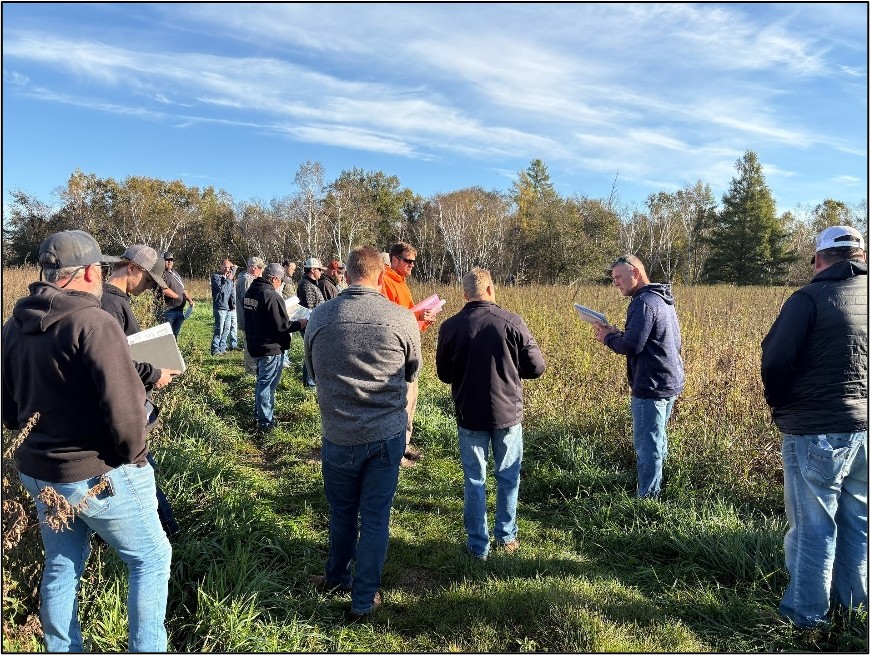
This type of competitive bidding can help bring out the lowest prices for publicly funded projects. On the whole, bids are usually not as close to each other as you'd think. As an example, a recent riverbank stabilization project received 12 bids ranging from $130,393 to $251,021. Government entities are usually directed to select the lowest responsible bidder. ACD takes extra steps to review the qualifications of the low bidder. We may set minimum qualifications and ask contractors to describe their experience, equipment, and expertise. Performance on past projects for ACD and/or its partners is also considered.